
Customer Service +1 (201) 302-9990
Free shipping on orders over $50

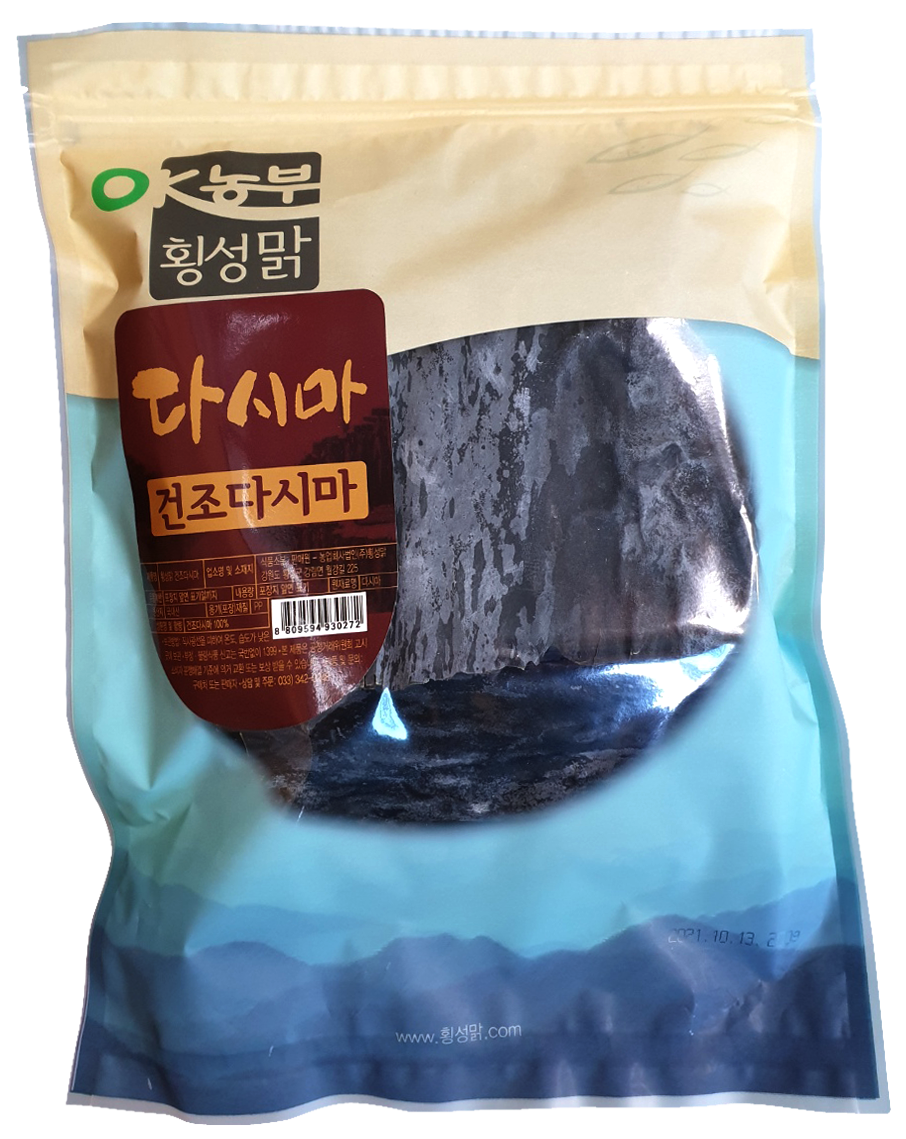
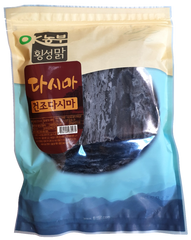
Dried Kelp (Cut) 200g – Korean Dashima for Broth & Everyday Cooking
건조다시마 (절단)
- $15.99
- $15.99
- (-0%)
- Unit price
- per
Hurry up! only 50 left
Couldn't load pickup availability




Free Shipping
Free standard shipping on orders over $50
Free Returns In-Store


Collagen Extract Stick – Korean Low Molecular Fish Collagen Drink with Pomegranate & Vitamin C
--
Collagen Extract Stick – Korean Low Molecular Fish Collagen Drink with Pomegranate & Vitamin C
--
Collagen Extract Stick – Korean Low Molecular Fish Collagen Drink with Pomegranate & Vitamin C
--


Korean Dashima · Cut Kelp · 200g
The first thing
in the pot
Before a Korean soup has a name, it has a few pieces of kelp resting in cold water. Everything else is built on what they give.
Where it comes from
Cold water off the Korean coast
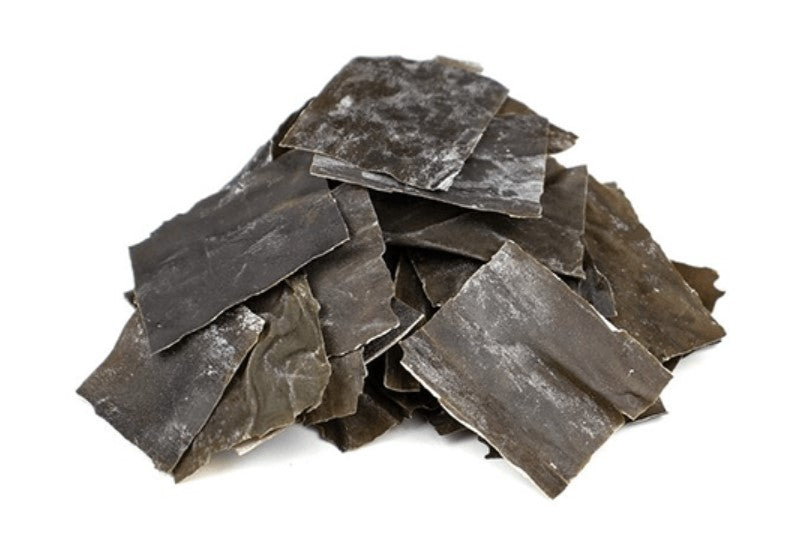
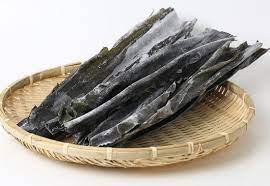
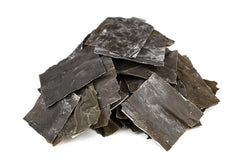
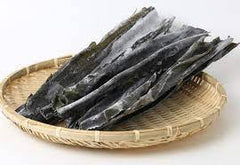
Kelp — dashima, 다시마 — is a broad, leathery brown seaweed that grows in long ribbons in cold coastal water. This one is 100% Korean-grown kelp from Korean coastal waters. It is harvested, cleaned, and dried slowly so the leaves keep their thick, firm body and their clean smell of the sea, then cut into pieces small enough to drop straight into a pot.
Nothing is added along the way: no salt, no oil, no seasoning. What you put in the pot is the leaf itself, which means the broth that comes out tastes of the kelp and of nothing you didn’t choose.
You may notice a fine white bloom on the surface of the pieces. It is natural to dried kelp and part of its savory flavor, so there is no need to scrub it away.
At the Korean table
The ingredient nobody eats
In a Korean kitchen, kelp is rarely the dish. It goes into the pot first and comes out before anyone sits down. Yet it is the reason a bowl of soybean-paste soup tastes round instead of thin, the reason a clear noodle broth has depth without heaviness, and the reason so many stews start with a stockpot already on the stove.
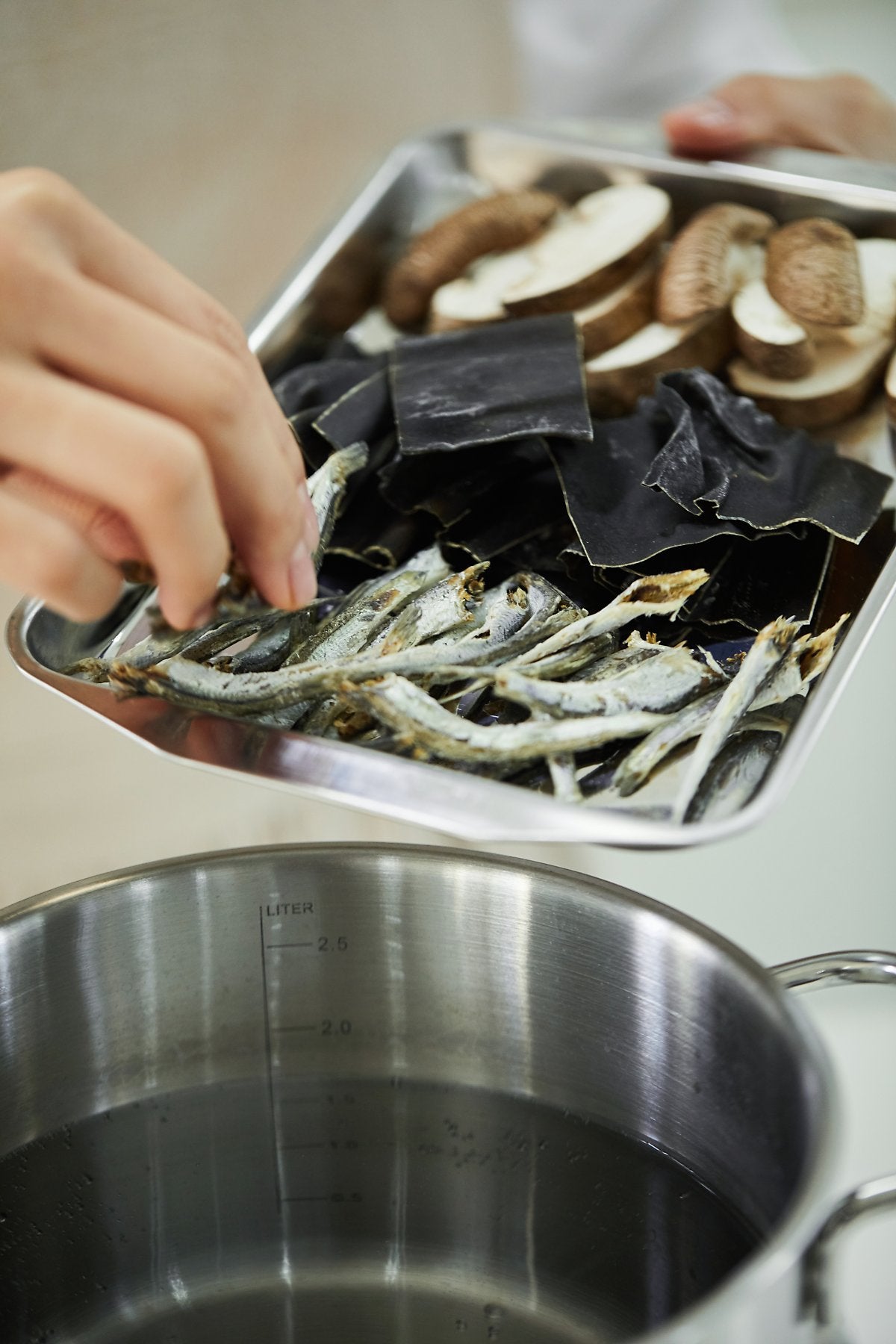
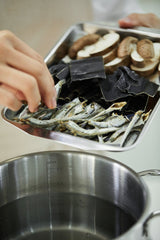
Paired with dried anchovies, it makes myeolchi-dashima yuksu — the everyday anchovy-and-kelp stock that sits behind soups, stews, rice-cake dishes, hotpots, and noodles across the country. On its own, it gives a gentler, purely plant-based broth for vegetable soups and simmered dishes.
It is the quietest thing in the kitchen. Take it away, and every bowl notices.
Step by step
How to make kelp broth
- Wipe or rinse briefly. A quick rinse under running water, or a wipe with a damp cloth, is all the kelp needs.
- Start in cold water. Set a few pieces in a pot of cold water. If you have time, let them soak for 20 to 30 minutes first; the broth will be fuller.
- Heat gently. Warm the pot over medium heat until small bubbles begin to rise from the bottom.
- Lift it out before the boil. Remove the kelp as the water starts to simmer, about ten minutes in. Boiled hard and long, kelp turns the broth bitter and slippery; lifted at the right moment, it leaves a clean, savory stock.
Lift the kelp when the first small bubbles rise.
A recipe to keep
Anchovy & Kelp Stock
You need
- 2 liters cold water
- A small handful of kelp pieces (about 10g)
- 10–15 large dried anchovies, heads and dark centers removed
- Optional: 2 dried shiitake, a chunk of Korean radish, the white of a green onion
Method
- Toast the anchovies in a dry pot over medium heat for a minute, until fragrant.
- Add the cold water, the kelp, and any of the optional vegetables. Let everything sit for 20 minutes if you can.
- Bring the pot slowly to a simmer. Lift out the kelp when small bubbles begin to rise.
- Simmer the rest gently for another 10–15 minutes, skimming any foam.
- Strain through a fine sieve. The stock is ready for soup, stew, or noodles.
Make a double batch: the cooled stock keeps in the refrigerator for a few days, or freeze it in portions so a weeknight soup starts with the hard part already done.
Three bowls from one pot
What the broth becomes
Soybean-paste soup
doenjang-guk · 된장국Stir a spoonful of Baekmalsun Fermented Soybean Paste into hot stock with tofu, zucchini, and green onion. The everyday soup of Korean home cooking.
Clear noodle soup
janchi-guksu · 잔치국수Season the stock lightly with soy sauce and pour it over 100% Barley Noodles, topped with egg ribbons and sliced zucchini.
Seaweed soup
miyeok-guk · 미역국Simmer soaked Dried Seaweed Miyeok in the stock with garlic and a little sesame oil, the coastal way of making Korea’s birthday soup.
Nothing wasted
Korean cooks rarely throw the softened kelp away. Slice it into thin strips and dress it with soy sauce, a few drops of vinegar, sesame oil, and toasted sesame seeds, and it becomes dashima muchim, a small side dish with a pleasant chew.
Good company
What it pairs with
- Dried anchovies
- Dried shiitake
- Korean radish
- Green onion
- Soybean paste
- Tofu
- Rice & beans
- Noodle soups
The details
At a glance
| Contents | 200g · cut pieces |
|---|---|
| Ingredient | Dried kelp (dashima), 100% Korean |
| Not added | No salt · no oil · no seasoning |
| Origin | Korean coastal waters · Made in Korea |
| Good for | Kelp broth (dashima yuksu) · anchovy & kelp stock · soups, stews, hotpots · rice and beans |
| Cautions | Kelp is naturally high in iodine — enjoy it in normal cooking amounts. If you have a thyroid condition or are under medical care, ask your healthcare provider about your iodine intake. |
| Storage | Store in a cool, dry place away from direct sunlight and moisture. Keep the bag tightly sealed after opening. |
These statements have not been evaluated by the Food and Drug Administration.
This product is not intended to diagnose, treat, cure, or prevent any disease.
Shipping Policy
By purchasing your products directly from rootterra.com, you are assured of getting a product that is at all times handled properly according to manufacturer’s recommendations.At this time, we do not ship outside of the United States.
You will be notified by email if we expect to be out of stock of part of your order for more than 5 working days or in the event of a price change or discontinued products.
Shipping may be delayed up to 5 working days, at the discretion of the company, in order to locate or receive stock; if you notice any delay in the shipping of your order, please feel free to call us by phone or email to clarify the time-requirements of your order, or to make changes as required for any not-yet-shipped products.
Expedited shipments are expedited only when the full order is available for shipping.
If you absolutely need an expedited order to arrive by a certain date, you must contact us by email or phone to ensure or modify the delivery order.
Return & Refund Policy
At RootTerra.com our primary objective is our customer’s complete satisfaction. If for any reason you are not fully content with any of the items purchased from us, you are allowed 10 days to return/exchange from the date of purchase.The steps to effectuate a return are as follow:
Contact us by email at support@rootterra.com to notify us that you are wishing to return.
We will grant you a Return Authorization number (RA#) once we have reviewed your request. (You are responsible for the returning shipping fray)
Once we receive the returning package we will either issue you a refund, an exchange, or credit towards your next purchase.
Note: We only accept items bought directly from www.rootterra.com.com. In order to receive any refund, exchange, or credit the merchandise must be unused and sent with original package and tags.
Related Products
- Choosing a selection results in a full page refresh.