
Customer Service +1 (201) 302-9990
Free shipping on orders over $50

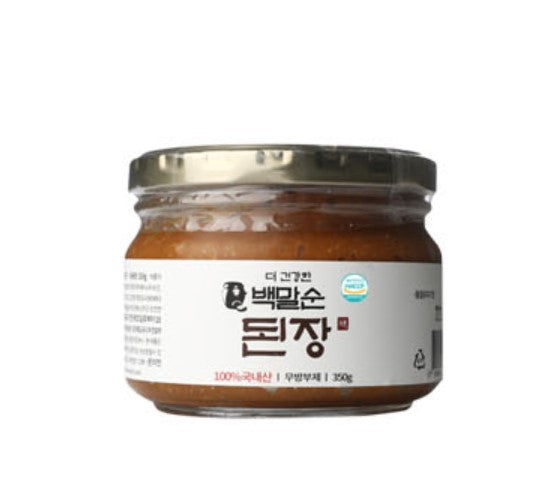
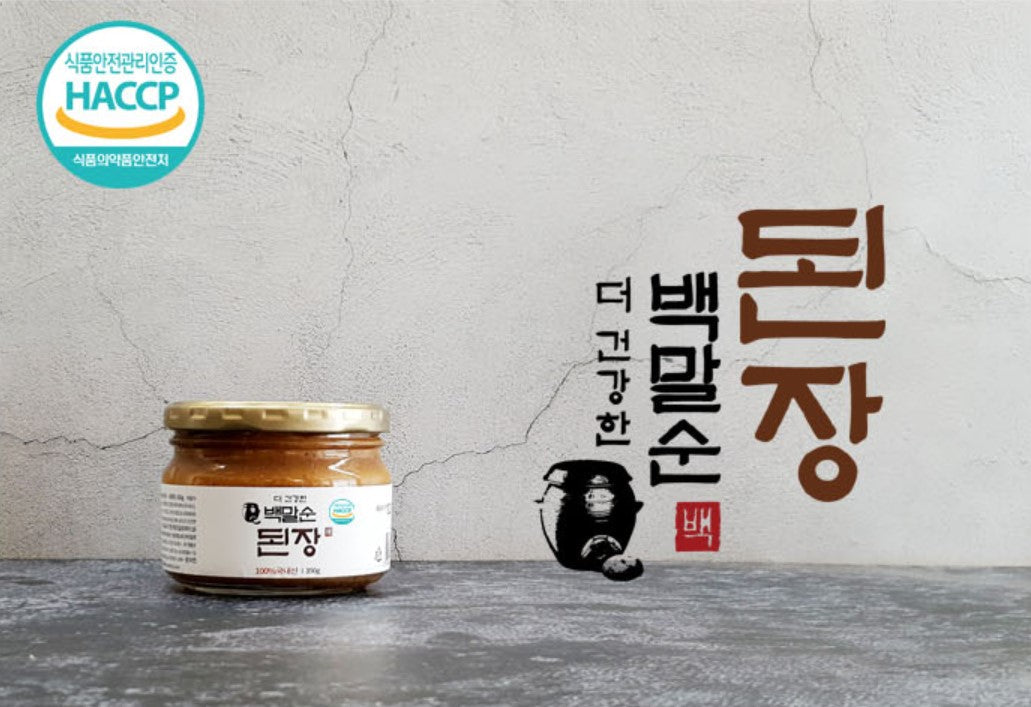
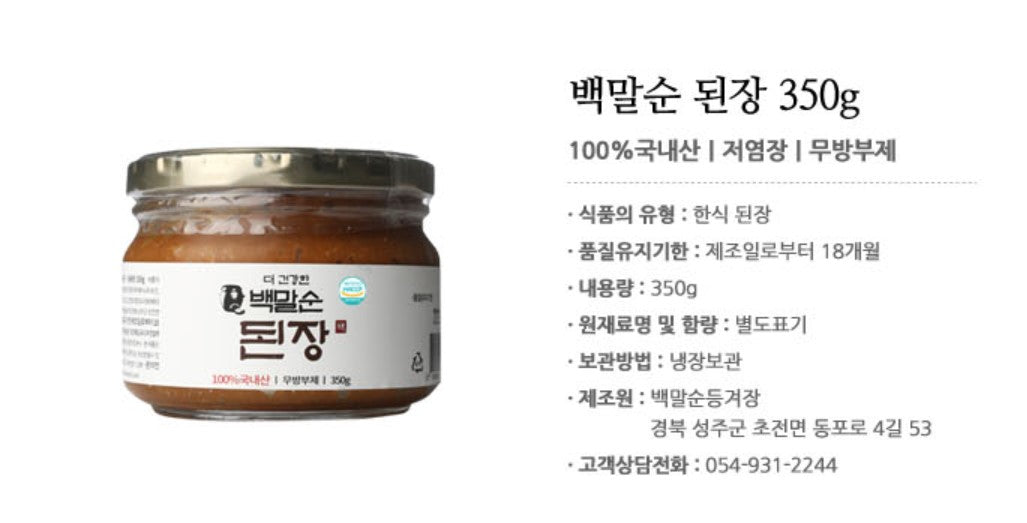
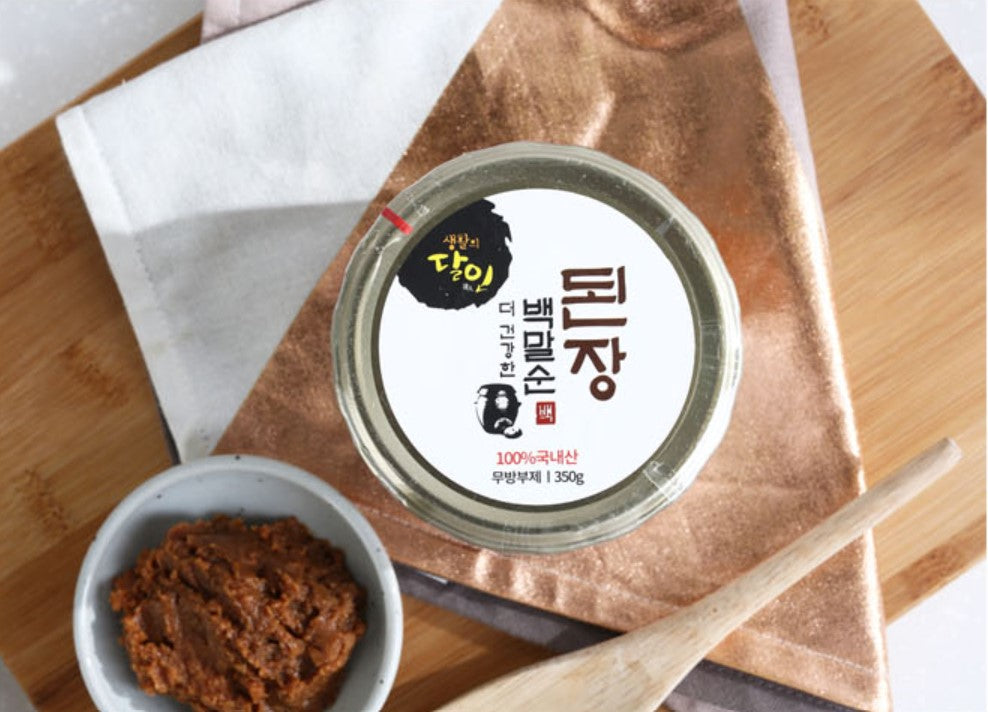
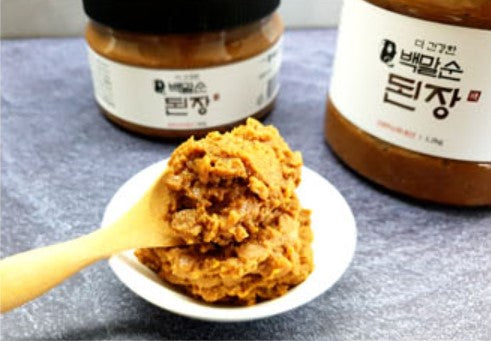



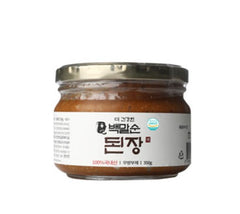
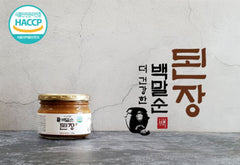
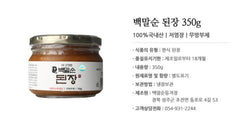
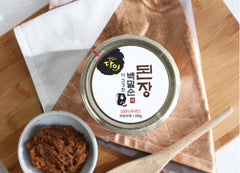
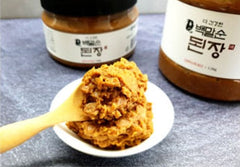
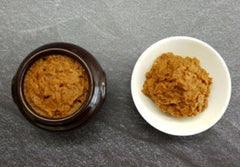





Baekmalsun Fermented Soybean Paste 350g – Traditional Korean Doenjang
백말순 된장
- $19.99
- $19.99
- (-0%)
- Unit price
- per
Hurry up! only 39 left
Couldn't load pickup availability




Free Shipping
Free standard shipping on orders over $50
Free Returns In-Store


Collagen Extract Stick – Korean Low Molecular Fish Collagen Drink with Pomegranate & Vitamin C
--
Collagen Extract Stick – Korean Low Molecular Fish Collagen Drink with Pomegranate & Vitamin C
--
Collagen Extract Stick – Korean Low Molecular Fish Collagen Drink with Pomegranate & Vitamin C
--


Traditional Korean Doenjang · Seongju · 350g
A spoonful of
three generations
Korean soybeans, sea salt, and a family that has been making doenjang the same patient way for more than sixty years.
Who makes it
A family workshop in Seongju
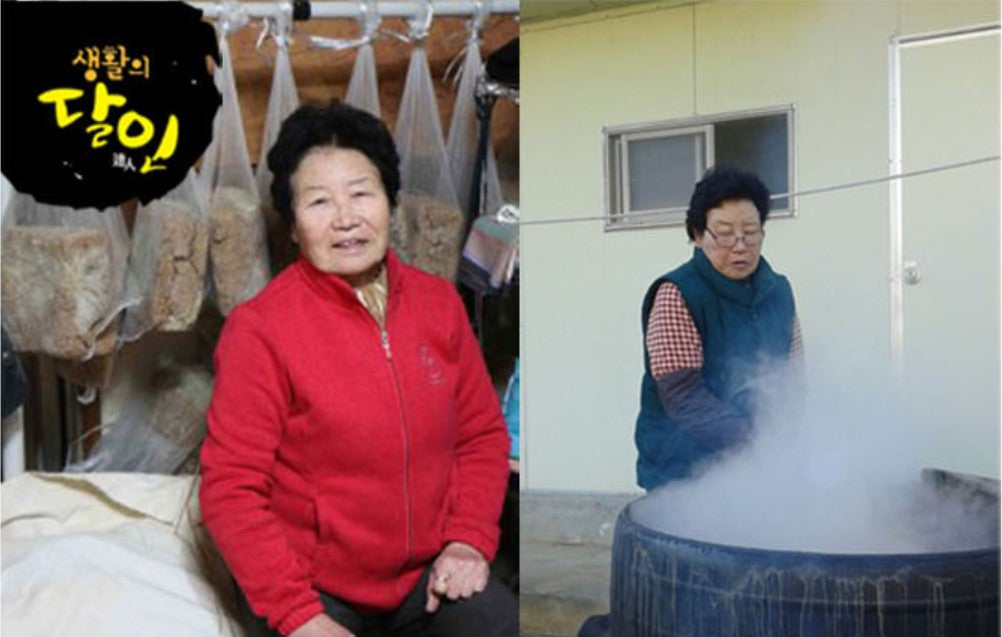
Seongju sits in the green countryside of North Gyeongsang Province, below the ridges of Mt. Gaya. That is where the Baekmalsun family makes its doenjang. Second-generation master Baek Mal-soon spent more than sixty years learning and refining the family method, and she has passed it on to her son and daughter-in-law, who make the paste today.
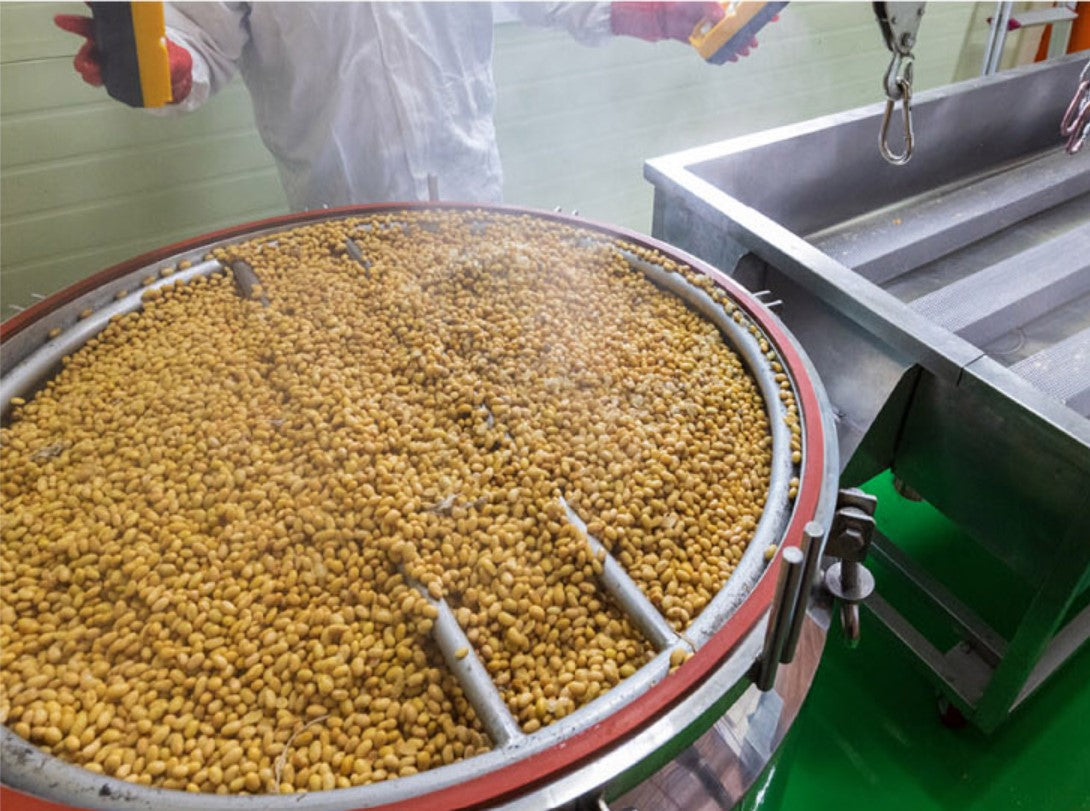
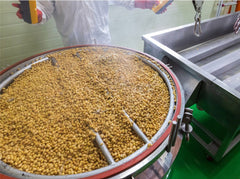
The process begins with soybeans grown beneath Mt. Gaya. They are steamed in a large stainless pressure cooker, then left to ferment slowly in a HACCP-certified facility where temperature and humidity are kept steady from batch to batch. Nothing artificial is added. The depth you taste is the work of the beans, the salt, and time.
3generations of one jang-making family
60+years of know-how behind the method
0artificial additives
What makes it different
The soy liquid stays in
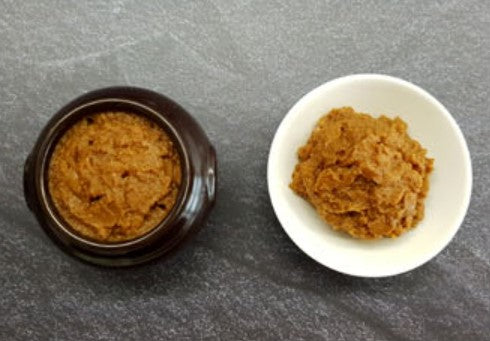
In many kitchens, fermented soybean blocks are soaked in brine and the liquid is drawn off to become soy sauce; what remains is pressed into paste. Baekmalsun does not drain that liquid away. It stays in the paste, and with it stays a fuller, rounder aroma: deep and savory at first, with a gentle nuttiness that lingers after the spoon.
It is the kind of paste that makes a humble bowl of rice and soup taste handmade.
At the Korean table
The flavor under everything
Gochujang gets the attention abroad, but doenjang is the paste most Korean home cooks reach for every day. It is the base of doenjang-jjigae, the bubbling stew that arrives at the table still boiling in its earthenware pot. It is stirred into clear soups, mixed with gochujang and sesame into ssamjang for leaf wraps, and used to season blanched greens and spring namul. A spoonful turns a bowl of rice and vegetables into a meal.
Step by step
Cooking with doenjang
- Loosen it first. Set a spoonful of paste in a small strainer or ladle and lower it into the warm stock, pressing it through so no lumps are left behind.
- Start small. About two tablespoons season a stew for two. Taste before adding more; a traditional paste is concentrated, and every batch is a little different.
- Let it simmer with the vegetables. Ten minutes is enough for the paste to round out and carry into the potato, zucchini, and tofu.
- Finish fresh. Add green onion and a sliced chili at the end so their brightness sits on top of the deep, savory base.
Press the paste through a strainer so it dissolves evenly.
A recipe to keep
Everyday Doenjang Stew
You need
- 2 cups (500ml) water or anchovy & kelp stock
- 2 tbsp Baekmalsun doenjang
- ½ onion and 1 small potato, cubed
- ½ zucchini, cubed
- ½ block tofu, cubed
- 1 clove garlic, minced
- 1 green onion and 1 green chili, sliced
- Optional: a little thinly sliced beef
Method
- If using beef, brown it briefly in the pot first.
- Add the water or stock and dissolve the doenjang into it through a strainer.
- Bring to a boil, add the potato and onion, and simmer for 5 minutes.
- Add the zucchini, tofu, and garlic and simmer another 5–7 minutes, until the potato is tender.
- Taste, adjust with a little more paste if you like, and finish with green onion and chili. Serve bubbling, with rice.
The paste is rich enough that water alone makes a satisfying stew. For a deeper, rounder pot, start with Dried Kelp (Cut) 200g and a few dried anchovies.
Beyond the stew
Three more ways with one jar
Thick doenjang for wraps
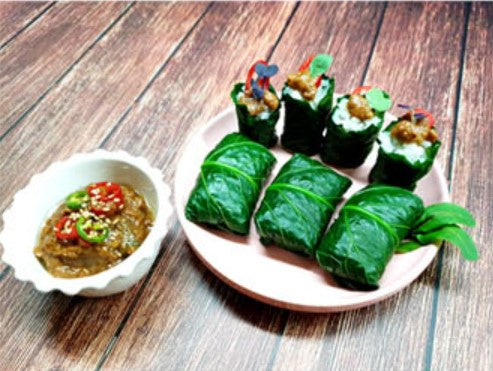
gang-doenjang · 강된장Stir-fry chopped onion, green onion, and chili with doenjang until thick. Spoon onto rice in blanched cabbage or kale leaves and wrap.
Perilla doenjang pasta
a Korean-Italian bowlToss cooked pasta with a little pasta water, 2 tablespoons of doenjang, milk or cream, and perilla powder for a silky, nutty sauce.
Savory-sweet dressing
for greens & grain bowlsWhisk doenjang with olive or perilla oil and a citrus syrup such as yuzu. Drizzle over greens, fruit, or a grain bowl.
A little goes a long way
Use a small spoonful when you want quiet depth in a soup or marinade, and a generous one when you want doenjang to lead. Add it to stir-fries, bibimbap, and dipping sauces whenever a dish needs a savory backbone without extra steps.
Good company
What it pairs with
- Tofu
- Zucchini
- Potato
- Green onion
- Green chili
- Anchovy & kelp stock
- Leafy greens
- Rice
The details
At a glance
| Contents | 350g |
|---|---|
| Not added | No artificial additives |
| Made by | Baekmalsun · Seongju, North Gyeongsang · HACCP-certified facility |
| Good for | Doenjang stew and soup · leaf wraps · marinades · bibimbap · dips and dressings |
| Contains | Soybeans |
These statements have not been evaluated by the Food and Drug Administration.
This product is not intended to diagnose, treat, cure, or prevent any disease.
Shipping Policy
By purchasing your products directly from rootterra.com, you are assured of getting a product that is at all times handled properly according to manufacturer’s recommendations.At this time, we do not ship outside of the United States.
You will be notified by email if we expect to be out of stock of part of your order for more than 5 working days or in the event of a price change or discontinued products.
Shipping may be delayed up to 5 working days, at the discretion of the company, in order to locate or receive stock; if you notice any delay in the shipping of your order, please feel free to call us by phone or email to clarify the time-requirements of your order, or to make changes as required for any not-yet-shipped products.
Expedited shipments are expedited only when the full order is available for shipping.
If you absolutely need an expedited order to arrive by a certain date, you must contact us by email or phone to ensure or modify the delivery order.
Return & Refund Policy
At RootTerra.com our primary objective is our customer’s complete satisfaction. If for any reason you are not fully content with any of the items purchased from us, you are allowed 10 days to return/exchange from the date of purchase.The steps to effectuate a return are as follow:
Contact us by email at support@rootterra.com to notify us that you are wishing to return.
We will grant you a Return Authorization number (RA#) once we have reviewed your request. (You are responsible for the returning shipping fray)
Once we receive the returning package we will either issue you a refund, an exchange, or credit towards your next purchase.
Note: We only accept items bought directly from www.rootterra.com.com. In order to receive any refund, exchange, or credit the merchandise must be unused and sent with original package and tags.
Related Products
- Choosing a selection results in a full page refresh.